Ultimate Guide to Instrument Disinfectant: Elevating Healthcare Safety and Efficiency
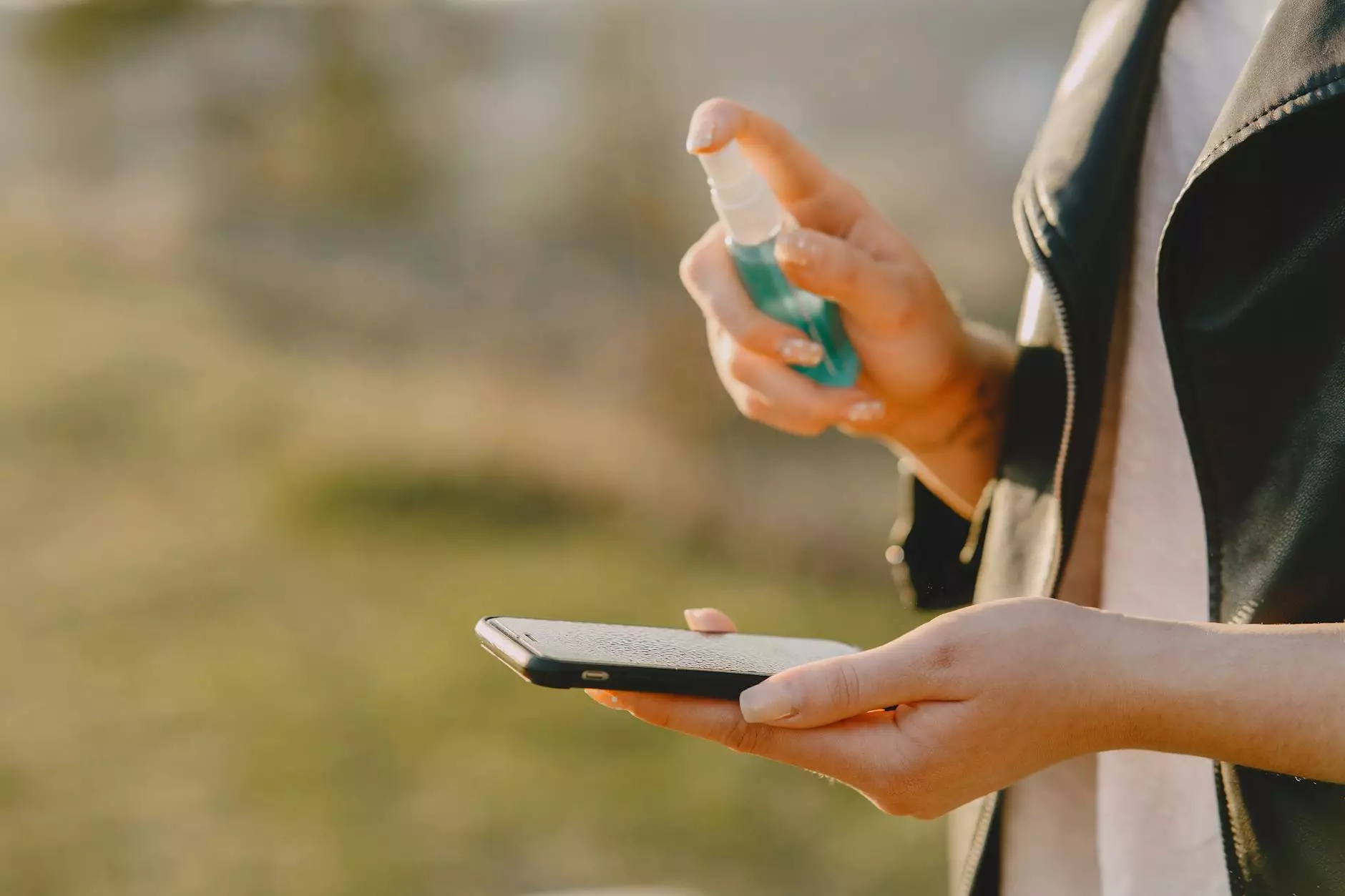
In the rapidly evolving landscape of healthcare, maintaining the highest standards of cleanliness and infection control is paramount. Central to this endeavor is the effective use of instrument disinfectant, a critical component in preventing cross-contamination, ensuring patient safety, and complying with rigorous health regulations. This comprehensive guide delves into the importance of proper disinfection protocols, the science behind effective instrument disinfectant, and how businesses like medalkan.com offer top-tier medical supplies to support healthcare providers worldwide.
Understanding the Vital Role of Instrument Disinfectant in Healthcare
Healthcare facilities—ranging from hospitals and clinics to outpatient centers—rely on meticulous protocols to keep instruments sterile and prevent infections. The instrument disinfectant serves as the frontline agent in eliminating pathogenic microorganisms from medical devices, dental instruments, surgical tools, and diagnostic equipment. Its proper application is fundamental to maintaining a safe environment for both healthcare workers and patients.
The Science Behind Effective Instrument Disinfectant
The efficacy of an instrument disinfectant hinges on its chemical composition, contact time, and compatibility with various materials. Most disinfectants are categorized based on their spectrum of activity: bactericidal, virucidal, fungicidal, and sporicidal. The most effective products are capable of inactivating a broad range of pathogens, including resistant bacteria like Clostridioides difficile and methicillin-resistant Staphylococcus aureus (MRSA).
Key properties of an excellent instrument disinfectant include:
- Rapid action: Quick microbial kill time to ensure workflow efficiency.
- Residual activity: Sustained antimicrobial effects on surfaces.
- Material compatibility: Safe for use on various surfaces and delicate instruments.
- Ease of use: Simple application procedures that promote compliance.
- Environmental safety: Non-toxic and environmentally friendly formulations.
Types of Instrument Disinfectants and Their Applications
Choosing the right instrument disinfectant depends on the specific healthcare setting and the type of instruments used. The main types include:
1. Quaternary Ammonium Compounds (Quats)
Widely used for general disinfection due to their effectiveness against bacteria and fungi. Ideal for surfaces and non-critical instruments.
2. Hydrogen Peroxide-Based Disinfectants
Versatile agents with strong oxidative properties capable of inactivating a wide range of pathogens. Suitable for automatic endoscope reprocessors and surface disinfectants.
3. Glutaraldehyde and High-Level Disinfectants
Used for sterilizing heat-sensitive instruments, especially endoscopes and surgical tools requiring high-level disinfection.
4. Alcohol-Based Disinfectants
Effective for rapid surface disinfection, particularly in high-touch areas. Not suitable for all instruments due to potential material damage.
Best Practices for Using Instrument Disinfectant in Healthcare Settings
Maximizing the effectiveness of instrument disinfectant involves adherence to strict protocols:
- Pre-cleaning: Remove debris and organic material before disinfection to enhance chemical action.
- Proper contact time: Allow disinfectant to remain on surfaces for the recommended duration for maximum microbial kill.
- Complete coverage: Ensure all instrument surfaces, including hinges and lumens, are thoroughly wetted.
- Drying: Proper drying post-disinfection prevents microbial growth and preserves instrument integrity.
- Documentation: Maintain meticulous records of disinfection procedures for compliance and quality assurance.
Innovations in Instrument Disinfectant Technology
The ongoing evolution of disinfection technology aims to enhance safety, efficiency, and environmental sustainability. Recent innovations include:
- Nanotechnology-enhanced disinfectants: Provide deeper microbial penetration and broader spectrum activity.
- Eco-friendly formulations: Reduce environmental impact without compromising efficacy.
- Automated disinfection systems: Integrate disinfectant application with sterilization protocols to streamline workflows.
- Smart disinfection monitoring: Utilize sensors and IoT devices to ensure optimal contact time and coverage.
The Importance of Quality Medical Supplies from Trusted Suppliers
Successful healthcare operations depend not only on the choice of instrument disinfectant but also on sourcing high-quality supplies. Leading providers like medalkan.com specialize in delivering reliable, effective, and compliant medical supplies, including disinfectants suited for diverse clinical applications.
Advantages of purchasing from reputable suppliers include:
- Product authenticity: Genuine, lab-tested disinfectants with proven efficacy.
- Regulatory compliance: Adherence to international safety and quality standards.
- Technical support: Expert guidance on selecting and using the right disinfectants.
- Bulk availability: Cost-effective options for large-scale operations.
- Customized solutions: Tailored disinfection products to meet specific facility needs.
Infection Control and Regulatory Compliance in Healthcare
Implementing effective instrument disinfectant protocols is a cornerstone of infection prevention programs. Regulatory bodies such as the CDC, OSHA, and WHO impose strict standards to minimize healthcare-associated infections (HAIs). Regular audits, staff training, and updated protocols ensure compliance and safeguard patient and staff health.
Training and Staff Education for Optimal Disinfection Practices
A well-informed team is essential for effective disinfection. Training programs should include:
- Proper handling and storage of disinfectants.
- Understanding contact times and application methods.
- Identifying and troubleshooting common issues.
- Documenting procedures and maintaining compliance.
Future Perspectives: Enhancing Healthcare Safety with Advances in Disinfection
Looking ahead, the integration of digital technologies, research into greener disinfectant formulations, and the development of autonomous cleaning systems promise to revolutionize infection control. Continuous innovation is vital to adapt to emerging pathogens and to meet the increasing standards of healthcare safety worldwide.
Conclusion: Prioritizing Quality and Safety with Effective Instrument Disinfectant
In the realm of healthcare, instrument disinfectant constitutes a fundamental element of infection control strategies. Its proper selection, application, and management can significantly reduce the risk of infections, enhance operational efficiency, and uphold the highest standards of patient care. Partnering with trusted suppliers like medalkan.com ensures access to high-quality, compliant, and innovative medical supplies tailored to your facility’s needs.
Emphasizing comprehensive disinfection protocols, investing in advanced disinfectant technologies, and fostering continuous staff education are vital steps toward achieving excellence in healthcare safety. As the industry evolves, staying informed and adaptable will secure a safer, healthier future for all.