Pet Turtles: The Perfect Addition to Your Home
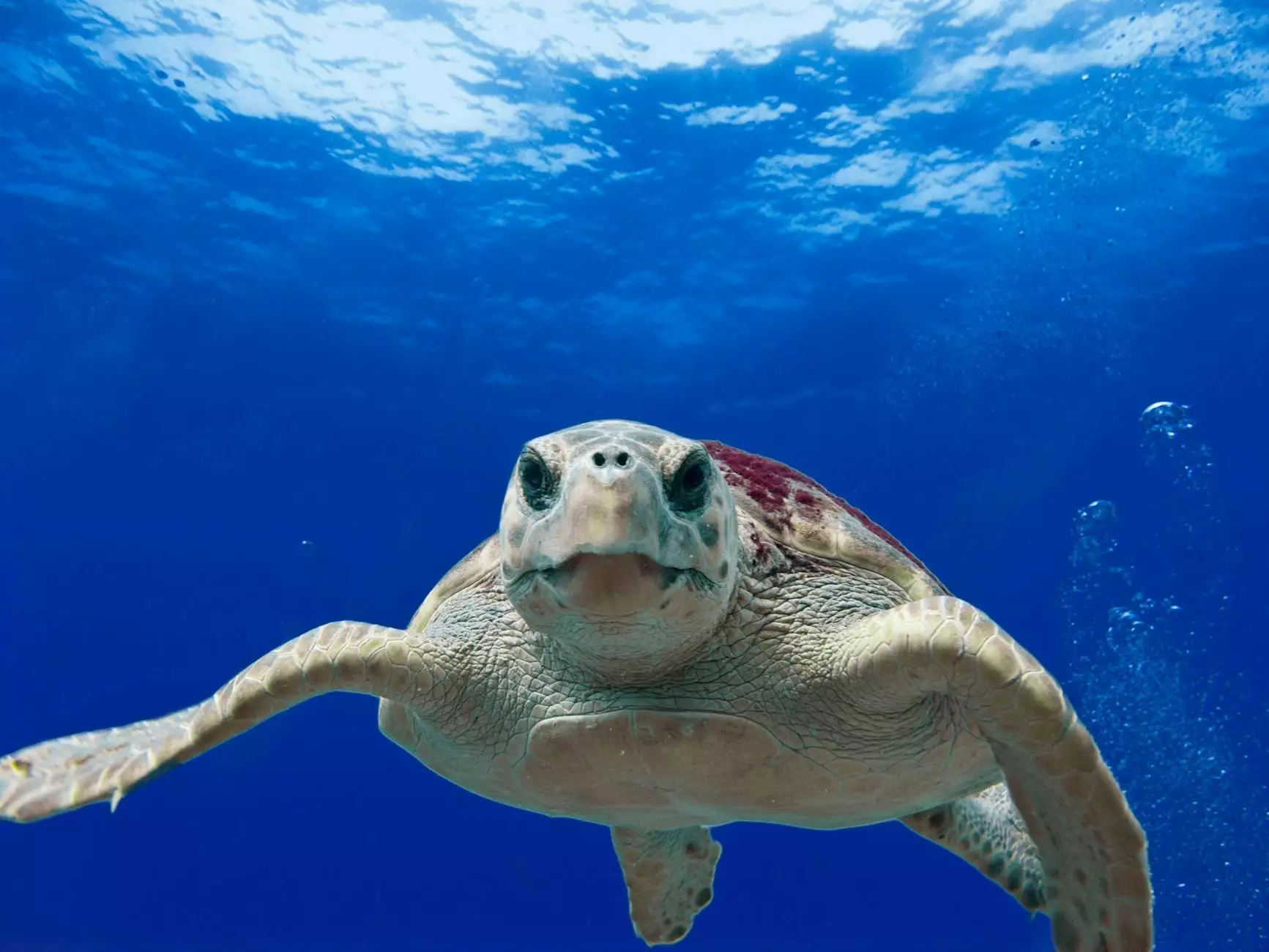
Pet turtles have become increasingly popular among reptile enthusiasts and casual pet owners alike. Their unique characteristics, low-maintenance needs, and long lifespan make them an attractive choice for families and single individuals. Whether you're considering adopting a turtle for the first time or looking to expand your current collection, understanding the ins and outs of pet turtles is essential. This comprehensive guide will cover everything from adoption and reputable breeders to care tips, thus ensuring your new pet thrives in its environment.
Understanding Pet Turtles
Turtles are remarkable creatures that belong to the order Testudines. They are notable for their hard shells that provide protection against predators, as well as their unique ability to adapt to various environments. With over 300 different species of turtles worldwide, they can vary significantly in size, behavior, and habitat needs.
Types of Pet Turtles
- Box Turtles: A popular choice among pet owners, box turtles have a terrestrial lifestyle and require a habitat that mimics their natural environment. They thrive in warm conditions and enjoy a varied diet of fruits, vegetables, and insects.
- Red-Eared Sliders: Known for their distinctive red stripes behind their eyes, these aquatic turtles are very active swimmers and require a water-based habitat with proper filtration and basking areas.
- Painted Turtles: These colorful turtles are also aquatic and can be quite sociable. They need ample water space and can often live harmoniously in groups.
- Snapping Turtles: Recognizable by their rugged appearance and strong jaws, snapping turtles can be challenging for beginners and typically require more space and special care.
- Softshell Turtles: With their unique leathery shells, these turtles are also aquatic and need a sufficiently deep water area and basking space.
Adopting a Pet Turtle
Adopting a pet turtle can be a rewarding experience. However, there are several factors to consider before making this commitment. Research various species to find one that suits your lifestyle and environment best.
Where to Adopt Pet Turtles
When looking for a pet turtle, it's crucial to adopt from reputable sources. Here are some options:
- Local Animal Shelters: Many animal shelters and rescue organizations have turtles in need of homes. This option is ideal for those looking to give a second chance to a pet.
- Reputable Pet Stores: Always seek pet stores known for their ethical practices and proper animal care. Ensure they provide information about the turtles' habitat and care needs.
- Online Reptile Breeders: Websites like buyreptilesaus.com can connect you with licensed breeders specializing in healthy, ethically sourced turtles.
Choosing a Reputable Breeder
Finding a trustworthy breeder is essential for ensuring you adopt a healthy turtle. Here are some signs of a reputable breeder:
- Transparency: A good breeder will be open about their breeding practices, the turtle's lineage, and any health issues.
- Care Practices: A reputable breeder maintains clean and spacious environments for their turtles, providing proper care and nutrition.
- Health Guarantee: Many responsible breeders offer a health guarantee for 7-14 days after purchase, allowing you peace of mind regarding the turtle's condition.
- Knowledgeable: A competent breeder should be well-versed in the turtles they breed and ready to answer any questions you might have.
Setting Up the Perfect Habitat for Your Pet Turtle
Before bringing your new pet home, ensure you have its habitat ready. Turtles need quite different environments depending on their species. Here are some essential components to consider:
Tank or Terrarium Size
The size of the tank depends on the species and size of the turtle. A general rule of thumb is to provide at least 10 gallons of water per inch of turtle, but larger species may require even more space. Aim for a well-ventilated aquarium or a large terrarium depending on whether your turtle is aquatic or terrestrial.
Water Quality
For aquatic turtles, maintaining water quality is crucial. Invest in a good filtration system to keep the water clean and change a portion of the water regularly. The ideal water temperature is typically between 75°F and 80°F, with appropriate heating equipment if necessary.
Lighting and Basking Areas
Turtles need UVB lighting to metabolize calcium and maintain good health. Position the light source above a basking area where the turtle can dry off and absorb warmth. The basking spot should reach temperatures of about 85°F to 90°F, depending on the species.
Substrate and Decoration
Providing a substrate that mimics a turtle's natural habitat helps them feel secure. For aquatic turtles, smooth gravel or sand is suitable, while terrestrial turtles may benefit from soil mixed with sand or coconut fiber. Adding plants, hiding spots, and climbing structures can enhance their environment and reduce stress.
Feeding Your Pet Turtle
Feeding your turtle a balanced diet is critical for its health and longevity. Different species have different dietary needs, but here are some general guidelines:
Types of Food
- Commercial Turtle Food: High-quality pellets formulated for turtles can serve as the primary diet base.
- Fresh Vegetables: Leafy greens such as kale, collard greens, and dandelion greens are excellent choices.
- Protein Sources: Feed aquatic turtles insects and protein-rich foods like worms, shrimp, and fish about 2-3 times a week.
- Fruits: Offer fruits in moderation as treats. Strawberries, blueberries, and melons can be enjoyed by turtles.
Feeding Schedule
Younger turtles require more frequent feeding (every day), while adult turtles can be fed every two or three days. Always provide fresh food and ensure any uneaten portions are removed to maintain tank hygiene.
Health Care and Maintenance of Pet Turtles
Providing excellent health care for your pet turtle involves regular check-ups, an appropriate diet, and a clean living environment. Here are some tips to keep your turtle healthy:
Regular Vet Visits
Establish a relationship with a veterinarian who specializes in reptiles. Regular check-ups will help catch any potential health issues before they become serious. Ensuring your turtle is dewormed, vaccinated, and checked for any signs of illness is crucial.
Signs of Illness
Watch for signs of ill health, such as:
- Lethargy
- Not eating or drinking
- Swollen eyes or nasal discharge
- Skin lesions or abnormal shell appearance
Cleaning the Habitat
Maintain cleanliness in your turtle's habitat by cleaning the tank or terrarium at least once a week. Replace the water, scrub surfaces, and replace bedding or substrate as necessary.
Bonding with Your Pet Turtle
Unlike traditional pets, turtles may not show affection in typical ways, but they can still become bonded with their owners. Here are some activities to help create a special bond:
Handling and Interaction
While it may take time for your turtle to become accustomed to handling, gentle interaction can help build trust. Always support their shell when picking them up, and limit handling to prevent stress.
Observation
Spend time observing your turtle's behavior. Understanding their personality and habits will help you better meet their needs and form a connection.
The Benefits of Owning Pet Turtles
Owning a pet turtle comes with several benefits, making them an attractive addition to many households:
- Low Maintenance: Compared to traditional pets, turtles require less daily maintenance, making them suitable for those with busy lifestyles.
- Long Lifespan: Turtles often live for decades, providing long-term companionship.
- Educational Experience: Caring for a turtle is a great way to learn about wildlife and ecology, making them suitable pets for families with children.
- Unique Companionship: Turtles have unique personalities and quirks, offering a different type of companionship compared to dogs or cats.
Conclusion
Pet turtles can make fantastic companions, bringing a touch of uniqueness to any home. By understanding their needs, choosing reputable sources for adoption, and providing proper care, you can ensure a long and happy life for your pet turtles. Whether you decide to adopt a turtle from a shelter, purchase from a reputable breeder listed on buyreptilesaus.com, or learn about their specific requirements, the experience of having a turtle as a pet is sure to be rewarding.