Exploring Authentic Japanese Wasabi: A Culinary Delight
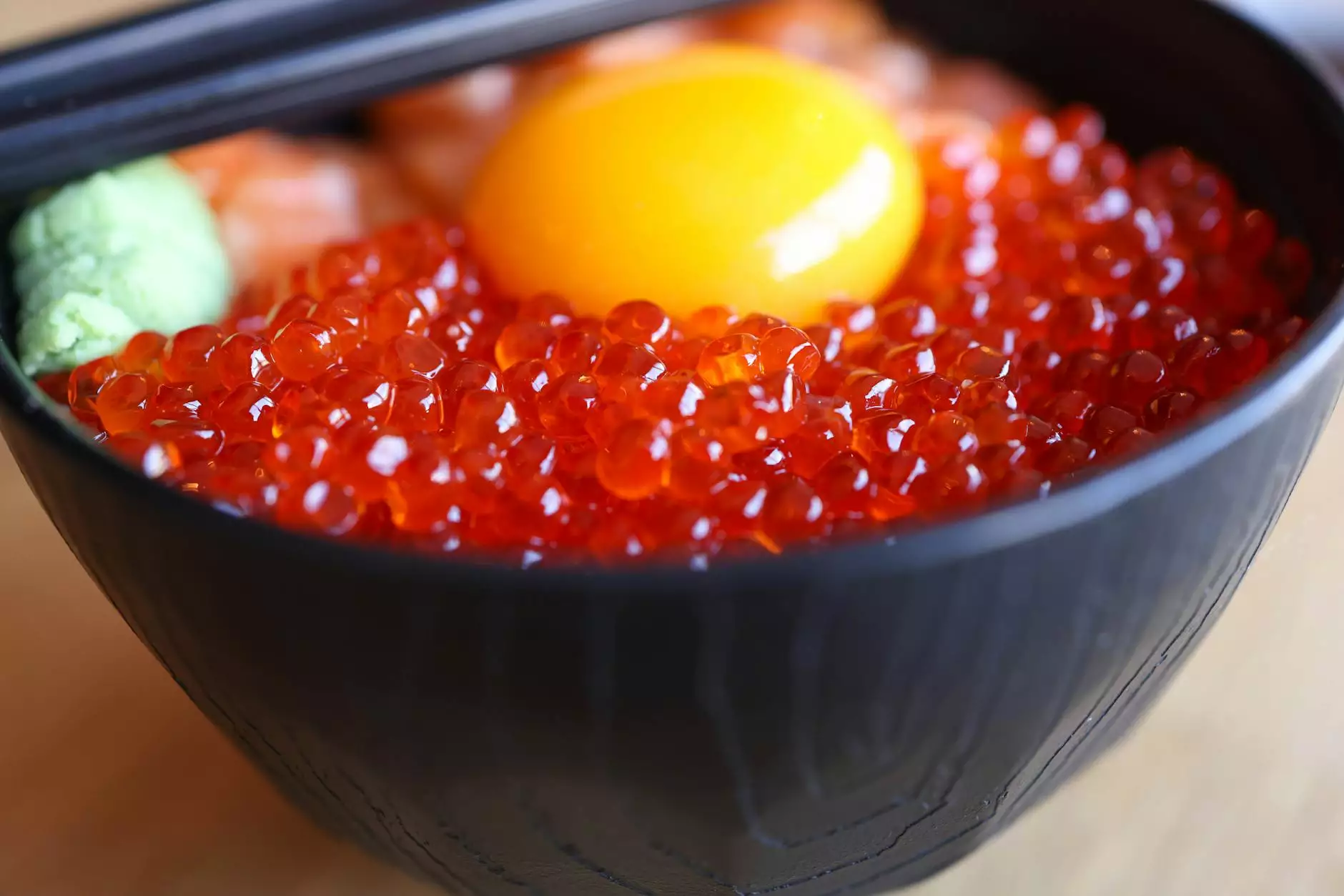
Wasabi, often mistaken for its horseradish counterpart, is a fundamental ingredient in Japanese cuisine, prized for its unique flavor and vibrant green color. However, the term authentic Japanese wasabi encompasses much more than just the spicy condiment on your sushi plate. This article delves into the rich history, cultivation, culinary uses, and the profound cultural significance of this remarkable ingredient.
The Roots of Authentic Japanese Wasabi
The journey of authentic Japanese wasabi, scientifically known as Wasabia japonica, begins in the cold, pristine mountain streams of Japan. Native to the regions of Shizuoka and Nagano, wasabi has been cultivated for centuries, with its roots tracing back over a thousand years to the Heian period.
The Cultivation Process
Growing wasabi is a labor-intensive process that requires specific environmental conditions. Here’s a brief overview of its cultivation:
- Water Quality: Wasabi thrives in pure, cold mountain waters that are free from pollutants and add the right minerals.
- Humidity: High humidity is essential for optimal growth, making shaded environments ideal.
- Soil: The plant prefers sandy, loamy soil with good drainage, which helps to prevent root rot.
- Time: Wasabi requires about 2 to 3 years to mature, a commitment that reflects its premium status.
Culinary Uses of Authentic Japanese Wasabi
In Japanese cuisine, authentic Japanese wasabi is more than just a condiment; it is an integral part of many dishes. Here are some popular uses:
1. Sushi and Sashimi
Sushi lovers will often find a small dollop of wasabi accompanying their sushi rolls or sashimi. This pungent flavor complements the fresh fish beautifully. It’s essential to note that true Japanese wasabi has a more complex flavor profile than the imitation paste often found in Western sushi restaurants.
2. Grilled Fish
When grilled, fish can be enriched by a light spread of authentic Japanese wasabi. The gentle heat of the wasabi enhances, rather than overwhelms, the natural flavors of the fish.
3. Noodles and Soups
Wasabi can be used as a flavoring for dishes such as ramen or udon, providing a refreshing kick that elevates the entire meal. A small dab can also be stirred into broth for a delightful surprise.
4. Condiments and Dressings
Wasabi, when combined with soy sauce, creates a vibrant dip that is fantastic for vegetables or grilled meats. Additionally, wasabi-infused dressings can add an exciting twist to salads.
The Unique Flavor Profile of Wasabi
The flavor of authentic Japanese wasabi is complex and layered. Unlike its pungent cousin, horseradish, real wasabi offers a milder, yet more aromatic heat. The flavor can be described as:
- Spicy: The heat is immediate but fleeting, allowing other flavor elements to shine.
- Earthy: A naturally rich and robust underpinning that pairs beautifully with many dishes.
- Savory: With a slight sweetness and umami, it enhances the overall taste experience.
The Health Benefits of Authentic Japanese Wasabi
Recent studies have highlighted the health benefits of wasabi, which is rich in antioxidants. Here are some noteworthy benefits:
- Anti-inflammatory Properties: Wasabi contains compounds that can help reduce inflammation in the body.
- Antimicrobial Effects: The phytochemicals in real wasabi may help combat bacteria, making it a potentially beneficial addition to diets.
- Digestive Aid: Its natural enzymes can aid in digestion and help prevent food-related illnesses.
Sustainable Sourcing of Authentic Japanese Wasabi
As demand for authentic Japanese wasabi continues to rise, concerns about sustainable sourcing and cultivation practices have emerged. Local farmers are increasingly adopting eco-friendly methods to ensure the health of the environment while producing high-quality wasabi. This effort not only supports local economies but also preserves the traditional ways of cultivating this exquisite plant.
Where to Experience Authentic Japanese Wasabi
If you’re eager to experience genuine wasabi, visiting specialty sushi restaurants or Japanese eateries that emphasize quality is essential. Here’s how to find the best spots:
- Research Restaurants: Look for restaurants that pride themselves on sourcing authentic ingredients and have wasabi on their menu.
- Ask the Staff: Inquire whether they serve real wasabi or imitation, as the menu may not always specify.
- Look for Reviews: Dining platforms and local food critic blogs often highlight restaurants that offer authentic experiences.
Cooking with Authentic Japanese Wasabi at Home
For culinary enthusiasts, incorporating authentic Japanese wasabi into home-cooked meals can be exciting. Here are some tips for using wasabi in your cooking:
- Storage: Keep fresh wasabi rhizomes in a cool, dark place, wrapped in a damp paper towel, to maintain freshness.
- Preparation: Use a kunzi or grater to create a fine paste, releasing the full flavor. Remember to let it rest for about 5-10 minutes before serving, as this enhances its aroma.
- Experiment: Try adding a small amount to mayonnaise for an exciting dip or mix it into cream sauces for an unexpected flavor.
The Future of Authentic Japanese Wasabi
As the culinary landscape evolves, the appreciation for authentic Japanese wasabi is expected to grow. With more chefs embracing the distinct character of real wasabi, diners will continue to seek out authentic experiences. As sustainability practices become more mainstream, the industry can look forward to innovations that support the cultivation of this treasured ingredient.
Conclusion
In conclusion, the world of authentic Japanese wasabi is rich with tradition, flavor, and potential benefits for health and well-being. From its intricate history and cultivation techniques to its essential role in Japanese cuisine, wasabi is a remarkable ingredient that deserves recognition. By exploring and promoting its use, we not only honor a culinary tradition but also encourage a sustainable future for this beloved plant. Whether you’re enjoying sushi at a restaurant or experimenting with wasabi in your kitchen, you’ll find that this unique condiment offers an experience that tantalizes the taste buds and enriches meals.
To learn more about finding genuine wasabi products and restaurants, visit realwasabi.com.