Lung CT Scan: A Comprehensive Guide to Health and Wellness
The field of modern medicine has evolved tremendously, with cutting-edge technologies enhancing our ability to diagnose and treat various conditions. Among these advancements, the lung CT scan stands out as a critical diagnostic tool that provides invaluable insights into respiratory health. In this article, we will delve into the essentials of lung CT scans, exploring their purpose, procedure, benefits, and implications for overall health, particularly in the context of Health & Medical, Sports Medicine, and Physical Therapy.
Understanding Lung CT Scans
A lung CT scan, or computed tomography scan, is a specialized imaging technique that uses a series of X-ray images and computer processing to create detailed cross-sectional images of the lungs. This powerful diagnostic tool allows healthcare professionals to visualize the lungs with remarkable clarity, revealing a wealth of information about their condition.
Why is a Lung CT Scan Important?
When it comes to diagnosing respiratory diseases, traditional X-rays may not provide enough detail. Lung CT scans offer several advantages:
- Enhanced Detail: Lung CT scans provide a more detailed view of lung structures, enabling doctors to identify abnormalities that may not be visible on standard X-rays.
- Early Detection: They play a crucial role in the early detection of lung diseases, including cancer, infections, and chronic obstructive pulmonary disease (COPD).
- Assessment of Existing Conditions: For patients already diagnosed with lung diseases, CT scans help in monitoring the progression or regression of their conditions.
Types of Lung CT Scans
There are several types of lung CT scans, each designed for specific diagnostic purposes:
- High-Resolution CT Scan (HRCT): This type of scan is particularly useful in evaluating interstitial lung diseases by providing detailed images of lung structures.
- CT Pulmonary Angiography: This scan focuses on the blood vessels in the lungs and is often used to diagnose pulmonary embolism.
- Follow-Up CT Scans: For patients with a known lung condition, follow-up scans can help monitor treatment response or disease progression.
The Lung CT Scan Procedure
Understanding what to expect during a lung CT scan can ease anxiety and prepare patients for the procedure. Here's a step-by-step overview:
1. Preparation
Patients are typically advised to avoid food and drink for a few hours before the scan. It’s essential to inform the healthcare provider about any medications or allergies.
2. The Scanning Process
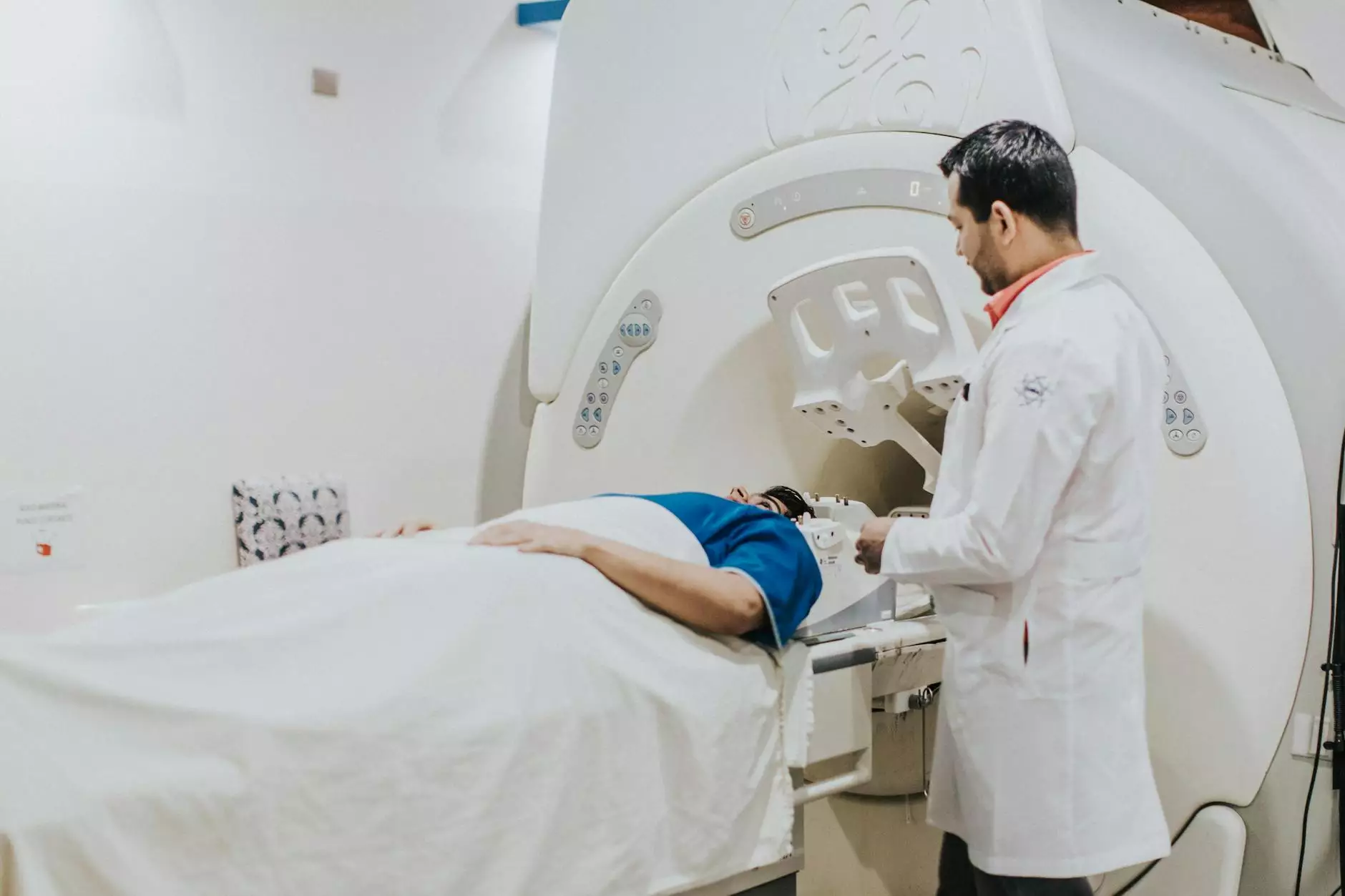
Once prepared, the patient will lie on a table that slides into the CT scanner. The procedure generally involves the following steps:
- The technician will position the patient, ensuring they are comfortable and properly aligned.
- The scanner will emit X-rays as it rotates around the body, capturing detailed images of the lungs.
- During the scan, patients will likely be asked to hold their breath for a few seconds to minimize movement and ensure clear images.
3. Post-Scan
After the scan is complete, patients can usually resume normal activities immediately. A radiologist will interpret the images and provide a report to the referring physician.
Benefits of Lung CT Scans
Lung CT scans offer multiple benefits that contribute to better health outcomes:
Early Diagnosis
As mentioned previously, early detection is critical. Lung CT scans can identify tumors or other abnormalities in their early stages when treatment is often more effective.
Monitoring Treatment Efficacy
For patients undergoing treatment for lung conditions, regular CT scans can provide vital feedback on how well the therapy is working, allowing doctors to make informed decisions about continuing or altering treatment plans.
Minimally Invasive
Compared to other diagnostic procedures, such as lung biopsies, lung CT scans are non-invasive and do not require any surgical intervention. This aspect enhances patient comfort and reduces associated risks.
Considerations and Risks
While lung CT scans are incredibly valuable, they are not without risks. It's essential for patients to discuss these with their healthcare provider:
- Radiation Exposure: CT scans involve exposure to ionizing radiation, which can increase the risk of cancer over a lifetime, although the benefits often outweigh this risk when scans are used judiciously.
- Contrast Reactions: If contrast dye is used during the procedure, some patients may experience allergic reactions, emphasizing the importance of informing healthcare professionals about any previous allergies to contrast materials.
Lung CT Scans in Sports Medicine
The significance of lung CT scans extends beyond traditional respiratory health, finding relevance in sports medicine as well. Athletes are susceptible to specific respiratory issues, and early diagnosis is crucial for maintaining peak performance. Here’s how lung CT scans contribute:
- Identifying Exercise-Induced Lung Issues: CT scans can help diagnose conditions like exercise-induced bronchoconstriction, allowing athletes to manage symptoms better.
- Assessment of Lung Health: Athletes, particularly those participating in endurance sports, may require regular monitoring of lung function to ensure optimal performance and prevent chronic conditions.
Lung CT Scans and Physical Therapy
For patients undergoing physical therapy after respiratory illnesses or surgeries, lung CT scans become a valuable tool for several reasons:
- Tailored Rehabilitation: Knowledge of the specific lung condition allows physical therapists to develop customized rehabilitation programs that cater to the patient’s respiratory capacity.
- Setting Goals: Detailed imaging helps in setting realistic goals for physical recovery and improving lung function.
Conclusion
In conclusion, the lung CT scan is an indispensable tool in the modern medical landscape, providing critical insights into respiratory health. Its role in early diagnosis, monitoring treatment efficacy, and supporting specific fields like sports medicine and physical therapy underscores its value. Patients considering this diagnostic tool should consult with healthcare professionals to understand its benefits and implications for their health journey.
For more information on health and medical services, including lung CT scans, visit Hello Physio.