Quality Counterfeit Money: Understanding the Business
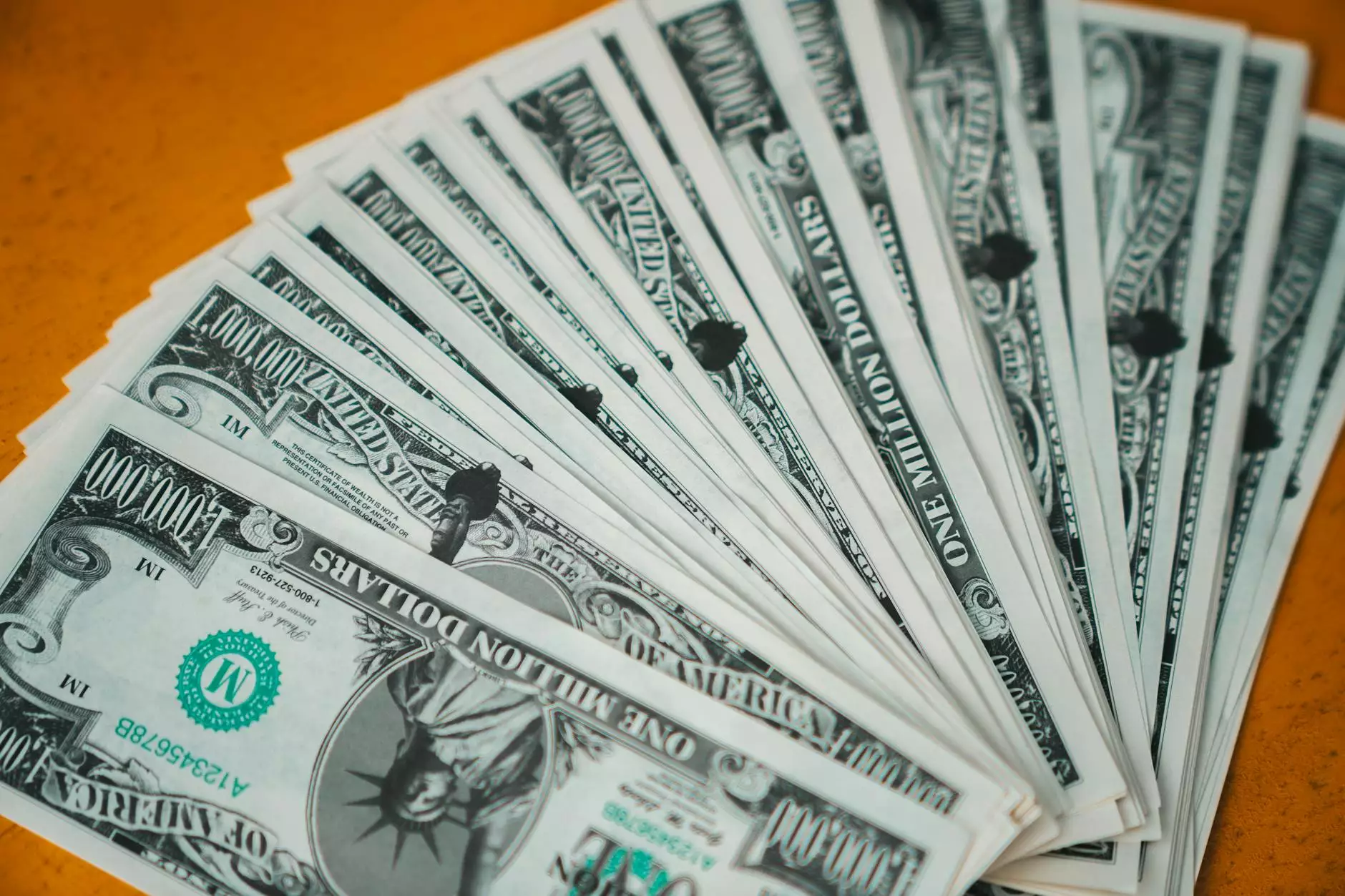
In today’s fast-paced economy, the business of quality counterfeit money has garnered attention and intrigue. While it may sound unconventional, understanding this niche can provide valuable insights into consumer behavior, the underground economy, and even the factors driving authentic currency valuation. In this article, we will explore various dimensions of this unique business, shedding light on its implications and offering a comprehensive overview of what quality counterfeit money entails.
The Evolution of Currency and Counterfeiting
Currency has evolved significantly over the centuries. From barter systems to coins and paper bills, the ways we exchange value have changed dramatically. Alongside this evolution, counterfeiting has also risen to prominence. The term quality counterfeit money refers to imitation currency that closely resembles authentic bills, often crafted to mislead individuals and businesses. Historically, counterfeiting has been a concern for governments, leading to the implementation of advanced security features in legitimate currency.
Why Does Quality Counterfeit Money Exist?
There are several reasons behind the existence and popularity of quality counterfeit money, including:
- Demand for Cash: Even in an increasingly digital economy, cash still holds significant value. Some individuals prefer to operate in cash for anonymity or budgeting purposes.
- Economic Hardship: During times of economic downturn, some may resort to counterfeiting as a means of survival or financial gain.
- Collector's Items: Some counterfeit bills may be produced as novelties or collectibles rather than for use in transactions.
- Artistic Expression: Certain counterfeit bills are created as a form of art, showcasing the skills of artisans who engage in this practice.
Legal Implications of Counterfeit Money
The production and distribution of quality counterfeit money are illegal in most jurisdictions. Laws are stringent, and penalties can be severe for individuals caught counterfeiting. However, understanding the legal landscape is crucial for anyone considering entering this field or contemplating its risks. Here are some key legal considerations:
- Felony Charges: In many countries, counterfeiting is classified as a felony, leading to imprisonment and substantial fines.
- Possession of Counterfeit Currency: Even possessing counterfeit money can result in legal troubles, making it essential for businesses and individuals to be aware of the currency they receive.
- Impact on Businesses: Acceptance of counterfeit money can lead to losses and legal repercussions for businesses, making it vital to implement robust verification systems.
The Business of Fake Money
Despite the quality counterfeit money being illegal, there exists an underground market facilitating its trade. This segment of the economy thrives on anonymity and secrecy. Here’s a closer look at how this business operates:
1. The Supply Chain of Counterfeit Currency
The supply chain for counterfeit money consists primarily of skilled printers and distributors. These individuals often operate on the dark web or within closed networks to avoid detection by law enforcement. The quality of the counterfeit bills can vary significantly, with some being almost indistinguishable from real currency, while others may be easily spotted.
2. Bitcoin and the Dark Web
With the rise of cryptocurrencies, transactions for counterfeit money have moved online. Bitcoin offers anonymity, making it a popular choice for these illicit trades. Websites on the dark web that sell quality counterfeit money often demand payment in cryptocurrencies, thus complicating legal pursuits against offenders.
3. Motivations of Buyers
Those who purchase counterfeit money are often motivated by a desire to manipulate financial systems or to gain transient advantages. Potential buyers include:
- Fraudsters: Individuals engaging in scams may use counterfeit money to deceive unsuspecting sellers.
- Collectors: Some counterfeit currency is sought after for its novelty or artistic value.
- Businesses in Cash-Only Transactions: Businesses conducting transactions primarily in cash may inadvertently accept counterfeit bills.
Recognizing Quality Counterfeit Money
For a business or individual, recognizing quality counterfeit money is paramount in mitigating risks. Here are several techniques and tools that can help identify counterfeit bills:
1. Visual Inspection
Familiarity with genuine currency is vital. Most authentic bills have intricate designs, colors, and textures that counterfeiters may struggle to replicate. Look for:
- Watermarks: Genuine bills often feature watermarks that are visible when held against the light.
- Color-Shifting Ink: U.S. currency, for example, uses ink that changes color when tilted.
- Fine Print: Microscopic text and detailed imagery found on real bills are difficult for counterfeiters to replicate accurately.
2. Use of Technology
Businesses can invest in technology that scans and analyzes currency for authenticity. Fraud detection systems can immediately alert personnel if they detect a suspicious bill.
3. Training Staff
Educating employees on how to identify counterfeit currency is crucial, especially in retail settings. Regular training sessions can prepare staff to recognize potential counterfeits effectively.
Impact of Counterfeit Money on the Economy
The existence of quality counterfeit money can have far-reaching implications on the economy:
- Inflation: The introduction of counterfeits can exacerbate inflation by increasing the money supply without a corresponding increase in goods and services.
- Loss of Revenue: Businesses that accept counterfeit money face direct losses and diminished trust among customers.
- Criminal Activities: Counterfeiting is often linked to larger criminal enterprises, raising concerns about safety and security.
Preventing Acceptance of Counterfeit Money
Businesses can take several proactive measures to prevent the acceptance of counterfeit money:
1. Strict Cash Handling Policies
Establishing and enforcing strict cash handling policies can minimize risks. Require regular audits and establish clear protocols for cash transactions.
2. Utilize Technology
Investing in cash management systems that include counterfeit detection technology can significantly reduce the chances of accepting fake currency.
3. Foster Awareness among Customers
Educating customers about the characteristics of genuine currency can create a more vigilant community that actively seeks to prevent counterfeiting.
Conclusion: The Reality of Quality Counterfeit Money
The world of quality counterfeit money is intricate and multifaceted. As with any niche market, understanding the underlying factors that drive it is essential for businesses and individuals alike. While the illegal nature of counterfeit money makes it a risky venture, recognizing its presence and potential impact is crucial in today’s economy. By implementing stringent policies, staying informed about counterfeiting trends, and engaging in community education, we can work towards reducing the prevalence of counterfeit currency and its effects on our economy.
In summary, whether you are a business owner, an educator, or just a curious individual, understanding the nuances of quality counterfeit money can empower you to navigate this complex landscape more effectively. Knowledge is the first line of defense against economic deceit.