Revolutionizing Municipal Waste Management: The Power of 3D Printing in Manufacturing Municipal Sweepers
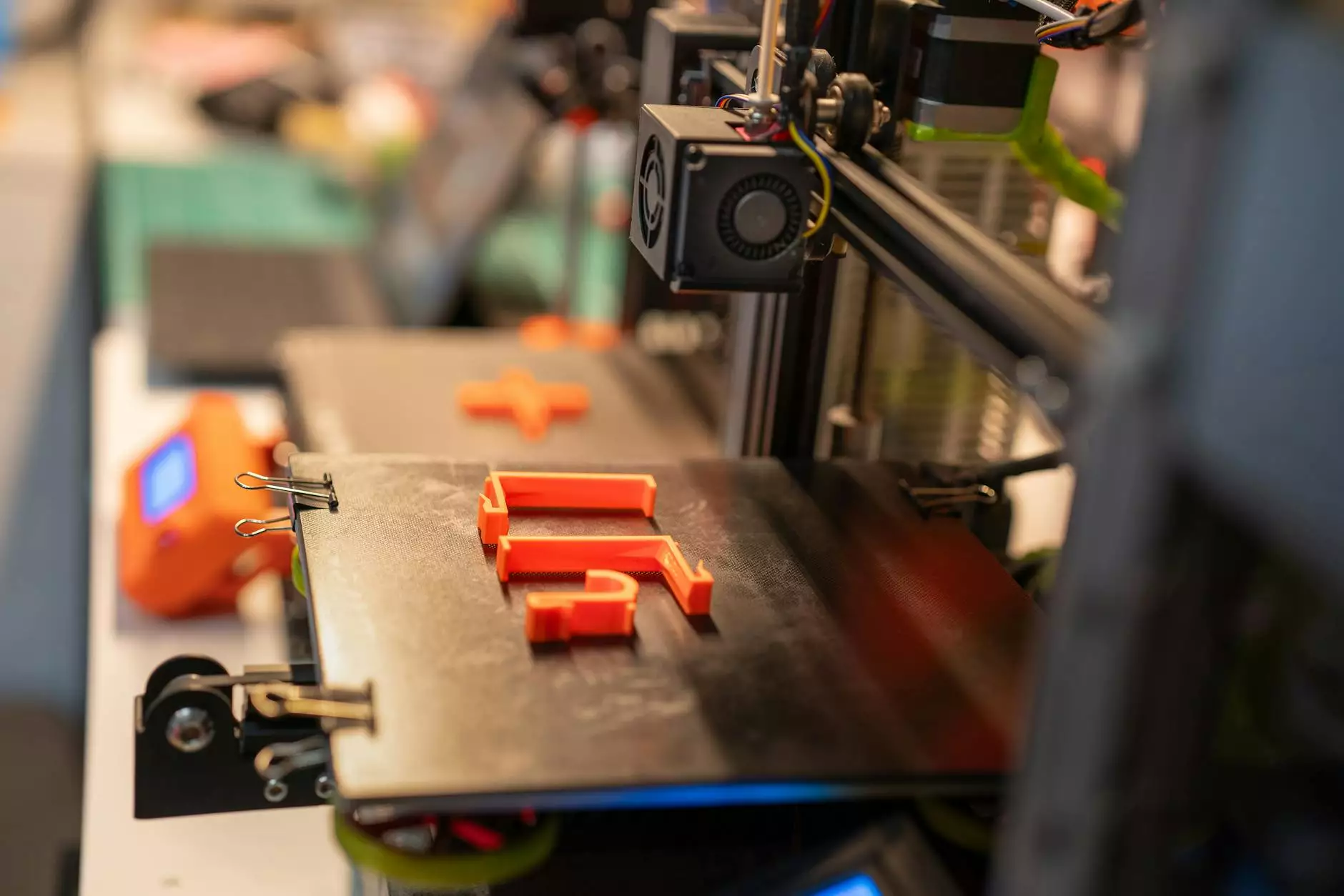
In the realm of urban maintenance and environmental sustainability, municipal sweepers play a pivotal role. These heavy-duty yet critical machines ensure city streets remain clean, safe, and welcoming for residents and visitors alike. With the advent of advanced manufacturing technologies, particularly 3D printing, the production, customization, and maintenance of municipal sweepers have experienced a transformative leap. This article explores how businesses, like ceksansweepers.com, leverage 3D printing to craft superior municipal sweepers, optimize operations, and redefine industry standards.
The Rise of 3D Printing in Manufacturing Municipal Sweepers
3D printing, also known as additive manufacturing, involves creating three-dimensional objects layer by layer from digital models. Its integration into the manufacturing of municipal sweepers is not merely a trend but a strategic move toward innovation, agility, and cost-effectiveness. This technology allows manufacturers to produce complex parts with unparalleled precision, reduce lead times, and customize sweepers to meet the specific needs of different cities and municipalities.
Advantages of 3D Printing for Municipal Sweeper Production
- Rapid Prototyping: Accelerates the design process, enabling engineers to test and refine components swiftly.
- Cost Efficiency: Reduces material waste and tooling costs associated with traditional manufacturing methods.
- Customization: Facilitates the production of tailored parts to cater to diverse urban environments.
- Supply Chain Flexibility: Minimizes dependency on long supply chains by enabling local on-demand manufacturing.
- Enhanced Durability and Performance: Enables the creation of lightweight yet robust components that improve overall machine efficiency.
Transforming the Design and Manufacturing of Municipal Sweepers
The design complexities of municipal sweepers require parts that are both durable and lightweight. Traditional manufacturing methods often limit design flexibility and encumber innovation due to tooling constraints. With 3D printing, manufacturers can now produce intricate geometries impossible with conventional techniques, such as custom brush mounts, streamlined ducts, and efficient aesthetic covers. These enhancements not only improve functionality but also extend the lifespan of the equipment.
Customization and Flexibility for Urban-Specific Needs
Every city has its unique challenges—narrow streets, heavy pollution, different debris types—and requires tailored solutions. 3D printing enables municipal sweepers to incorporate customized attachments, sensors, or brushes designed for specific urban environments. For example, a city with heavy leaf litter may benefit from specialized rotary brushes, while another with construction debris might require rugged dust suppression parts—all rapidly prototyped and manufactured with precision.
Enhancing Sustainability and Reducing Environmental Footprint
Sustainability is at the core of modern manufacturing practices. 3D printing promotes greener production by minimizing waste, enabling the use of eco-friendly materials, and reducing transportation emissions via localized manufacturing hubs. The municipal sweeper industry benefits from these advances by producing parts that are not only durable but also environmentally responsible. This approach aligns with the goals of eco-conscious cities striving for greener urban management solutions.
Utilizing Recycled and Biodegradable Materials
Advanced 3D printers can utilize recycled plastics and biodegradable composites, contributing directly to circular economies. Manufacturers can produce replacement parts for sweepers that are eco-friendly, which is crucial for cities aiming to minimize their carbon footprint.
Cost Reduction and Maintenance Efficiency Through 3D Printing
One of the most compelling benefits of employing 3D printing in the manufacturing of municipal sweepers lies in cost reduction. By enabling just-in-time production of spare parts, cities and service providers avoid inventory costs and reduce downtime caused by parts shortages. Quickly printing essential components on-site ensures that maintenance is swift, reducing operational costs and increasing equipment availability.
On-Demand Spare Parts and Repairs
When a component fails or wears out, instead of waiting weeks for replacement parts, maintenance teams can produce replacements locally. This agility results in less machine downtime, saves money, and streamlines the maintenance lifecycle of the sweeper fleet.
Innovative Examples of 3D Printed Municipal Sweepers
Several pioneering companies have already integrated 3D printing into their manufacturing processes, resulting in highly efficient, customizable, and innovative municipal sweepers. For instance:
- Modular design enhancements with 3D printed parts allow for easy upgrades, adapting sweepers for future needs.
- Lightweight components that contribute to lower fuel consumption and increased maneuverability.
- Complex exhaust and dust filtration systems printed with intricate geometries for better air quality management.
- Customized operator interfaces and control panels tailored for specific user ergonomics and preferences.
Future Outlook: The Synergy Between 3D Printing and Smart Urban Waste Management
The convergence of 3D printing with digital technologies like IoT (Internet of Things) and AI (Artificial Intelligence) promises a future where municipal sweepers are smarter, more efficient, and highly adaptable. Imagine fleets equipped with sensors that predict maintenance needs, and on-demand printing of replacement parts communicated seamlessly through integrated systems. This synergy will foster smarter cities that optimize waste management processes, reduce costs, and promote sustainability.
Enhanced Data-driven Maintenance and Upgrades
Data collected from operational sweepers can inform the manufacturing of replacement parts and upgrades, enabling predictive maintenance and minimizing unnecessary repairs. Furthermore, 3D printing workflows facilitate rapid iteration and deployment of new designs based on real-world data, empowering manufacturers like ceksansweepers.com to stay at the forefront of innovation.
Partnering with CEKSAN Sweepers: A Leader in 3D Printed Municipal Sweeper Solutions
CEKSAN Sweepers integrates cutting-edge 3D printing techniques to develop robust, customizable, and environmentally friendly municipal sweepers. Their expertise spans from initial design to advanced manufacturing, ensuring municipalities receive equipment that exceeds expectations in durability, efficiency, and innovative features. Partnering with ceksansweepers.com provides access to the latest in 3D printed solutions, enabling cities to modernize their waste management fleets and adopt smarter, sustainable technologies.
Key Benefits of Choosing CEKSAN for Your Municipal Sweeper Needs
- Customized Solutions: Tailored to meet specific urban needs and operational challenges.
- Rapid Prototyping and Production: Faster turnaround times from concept to deployment.
- Sustainable Manufacturing: Focus on eco-friendly materials and minimal waste.
- Cost Savings: Reduced manufacturing and maintenance costs, ensuring better budget allocation.
- Innovative Features: Integration of smart sensors, advanced filtration, and ergonomic designs.
Conclusion: Embracing Future-Ready Waste Management with 3D Printing
The landscape of municipal waste management is rapidly evolving, driven by the transformative capabilities of 3D printing. This technology empowers manufacturers to produce high-performance municipal sweepers that are more customizable, durable, and environmentally sustainable than ever before. As cities worldwide seek smarter and greener solutions, adopting 3D printed components and machines is no longer optional but essential. Partnering with industry leaders like ceksansweepers.com ensures access to innovative, future-ready waste management equipment, setting cities on the path toward cleaner, safer, and more sustainable urban environments.
Embracing 3D printing in manufacturing municipal sweepers signifies more than just technological advancement—it represents a strategic shift toward smarter cities, operational efficiency, and a healthier planet.